|
May 7, 2016 11:43:06
Posted By Shar McLaughlin
|
|
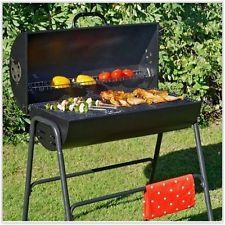
Oh May… what a great month! We're in between spring and summer and the weather couldn't be any nicer. In May, we all start spending more time outside, having BBQ's, pool parties, graduation parties, and the celebration of the Mother's Day and Memorial weekend. We spend a lot more time outside these days, but is your lawn ready for the visitors? And by visitors, we also mean you! The Sun does a great job turning our grass green, and around this time, your Bermuda grass and Fescue should be, too. Are your flowerbeds cleaned up and trees sprayed for insects? Have you applied flea and tick control to your lawn (and pets)? You don't want your kids and grandkids playing in a grass full of insects, do you? We like to think of lawn care as a four-legged BBQ grill. Each leg represents an important aspect of caring for your lawn and is equally important. So, let's start!
1st leg - Fertilization and weed control Fertilization and weed control require some expertise, and to make sure you are completely satisfied, we can take care of this part for you. Some weeds are controlled by pre-emergents and some are not. But no worries, the weeds that are not controlled by
2nd leg - Watering the lawn As you already probably know, lawns need water to stay green and healthy. We suggest watering in the early morning, or if you must water at night, be sure to water early enough so the grass has enough time to dry before nightfall. Lawns need about one inch of water per week. Giving your lawn a deep soak 2-3 times per week (30 minutes per zone/area) is way more efficient than a fast 10-minute sip every day. A deep soaking will encourage deep roots and a healthy lawn that can avoid lawn diseases and bugs.
3rd leg - Mowing the lawn To make sure you stay on track, pick one day a week and try to mow every week on the same day. Keeping your lawn mowed will prevent the flowering/seeding of many weeds and as a result reduce the spreading of many weeds. Also keep in mind that treatments need to be watered in before you mow.
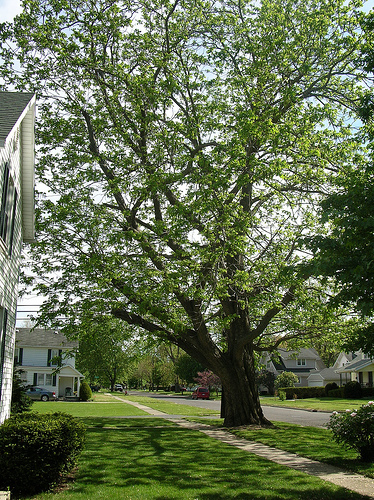
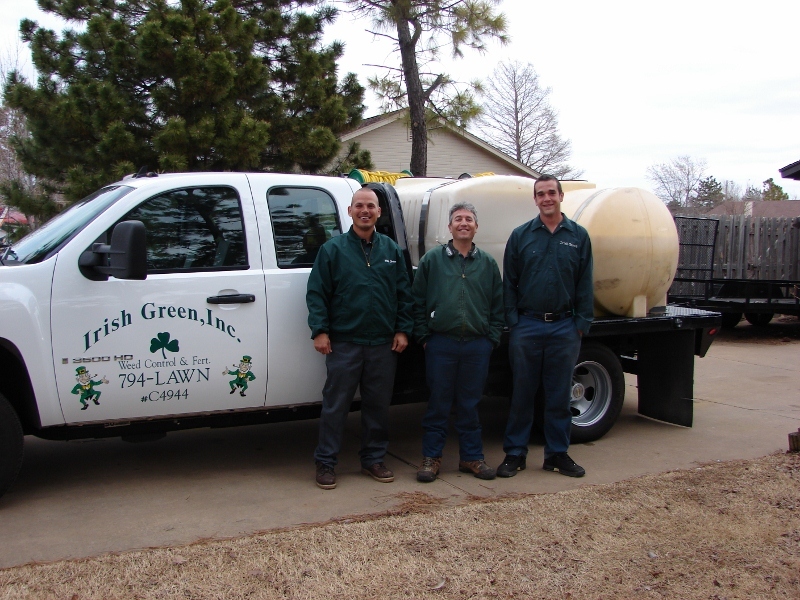
4th leg - Sunlight and warm temperatures Irish Green Lawn care will take care of this for you. Alright, we can't do that, but the other "legs", we can! This spring we should get plenty of sunlight and warm weather. Bermuda grass starts recovering and greening up when nighttime temperatures remain above 60°F for several days in the spring and soil temperature reaches 65°F at the 4-inch depth. Optimum soil temperature for root growth is around 80°F. Additionally, Bermuda grass has a high light requirement and does not grow well under low (shaded) light conditions.
"May Your Lawn Be Green, and Your Weeds Be Gone" |
|
|
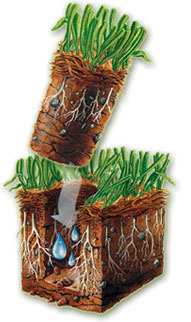 Fall Aeration - Many prefer to aerate the lawn in the fall to assist the lawn in recovering after a hot summer. An aeration consists of removing small plugs of dirt to allow nutrients, air, water, sunlight to go directly to the roots.


All blog contents are provided by website administrator. All other trademarks and copyrights are the property of their respective holders.
Copyright © 2026. Doteasy Technology Inc. All Rights Reserved. Blog software owned and powered by Doteasy Web Hosting.